Himalayan Experiences
Discover Sikkim's most majestic natural landscapes, high altitude passes, and sacred spiritual destinations. Curated for guests of Baizus Hotels & Resorts.
 115 km
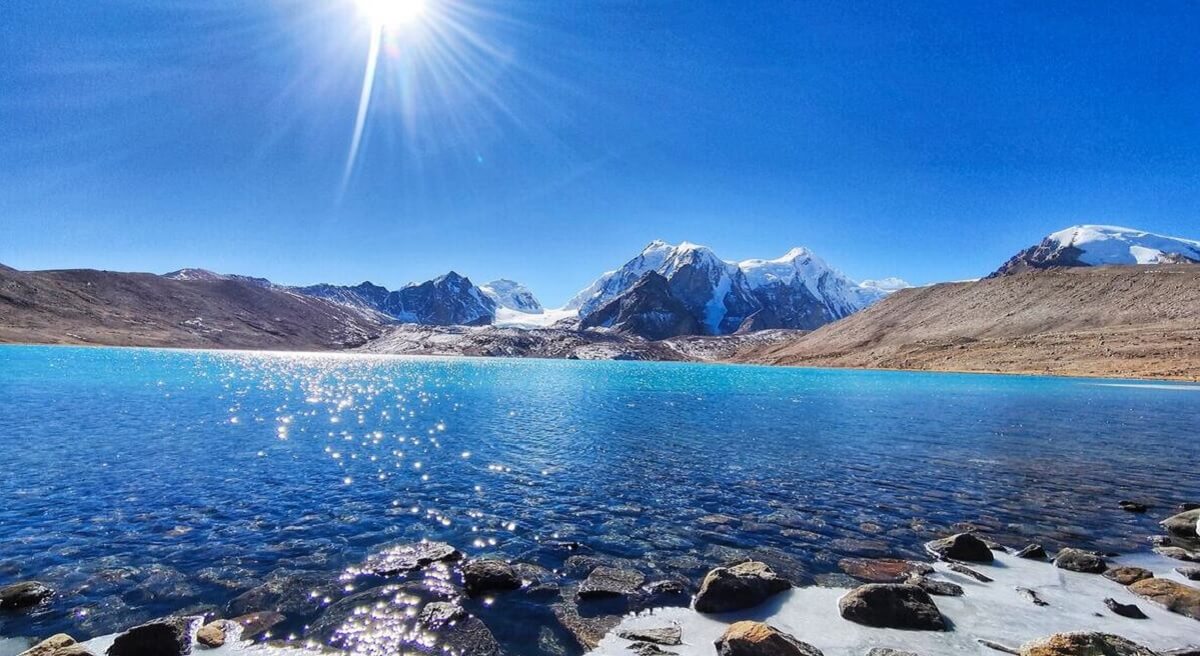
Lachung
Lachung is a picturesque mountain village in North Sikkim, nestled at the confluence of the Lachen and Lachung Rivers. Surrounded by snow-capped peaks, waterfalls, and apple orchards, the village serves as the gateway to the famous Yumthang Valley and Zero Point. Known for its serene beauty and traditional Sikkimese culture, Lachung is among the most sought-after destinations in North Sikkim.
 7 km
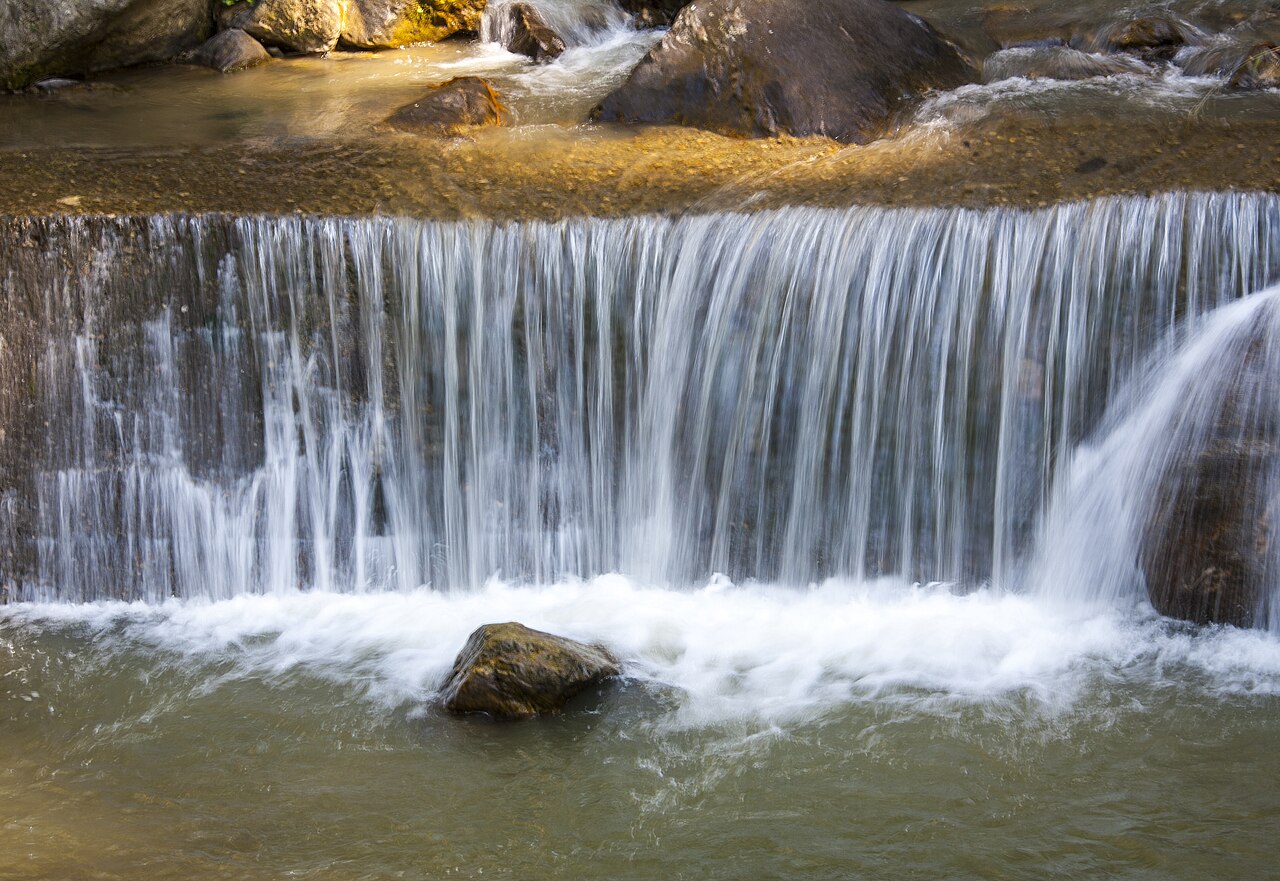
7 kmBanjhakri Waterfall
Banjhakri Waterfall is a popular tourist attraction located near Gangtok, Sikkim. The waterfall cascades from a height of approximately 100 feet within a beautifully landscaped park known as the Energy Park. Inspired by local Sikkimese folklore, the site features statues depicting Ban Jhakris (traditional shamans), manicured gardens, walking trails, and recreational areas, making it an ideal family-friendly destination.
 54 km
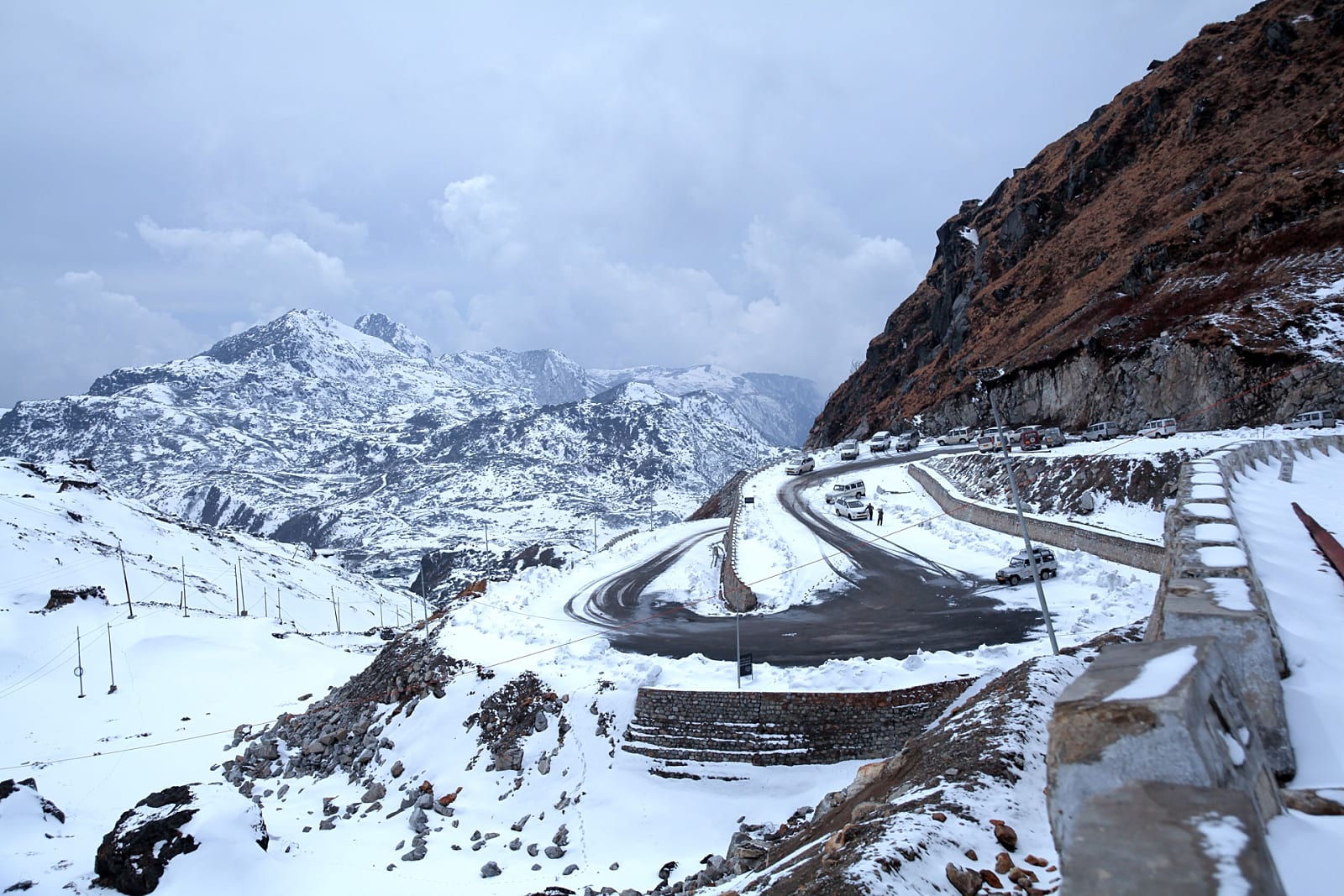
54 kmNathu La Pass
Nathu La Pass is one of the highest motorable mountain passes in India, located in East Sikkim on the historic Silk Route connecting India and Tibet. Situated at an elevation of approximately 14,140 feet, the pass offers breathtaking Himalayan landscapes, snow-covered mountains, and a unique opportunity to witness the Indo-China border. It is a popular day-trip destination from Gangtok and requires a special permit for Indian nationals.
 38 to 40 km
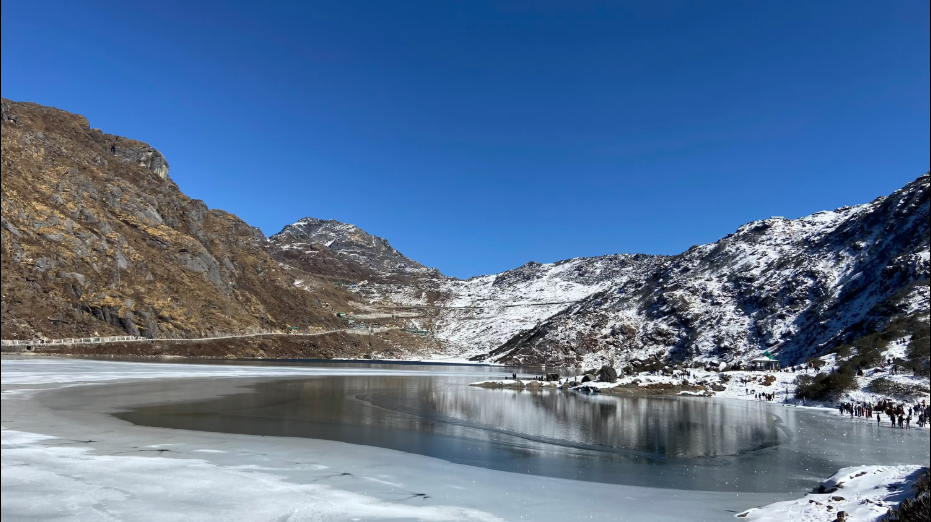
Tsomgo Lake
Tsomgo Lake, also known as Changu Lake, is a stunning, oval-shaped glacial lake situated in East Sikkim, India. Located roughly 38–40 kilometers from Gangtok on the road to Nathu La Pass, it sits at an elevation of 12,313 feet. The lake holds deep spiritual significance for the local Sikkimese people, who consider it sacred and once used its changing colors to forecast the state's future.